
Ongoing Research on SME Inclusion in the Dairy Industry in Tanzania
Media
Image
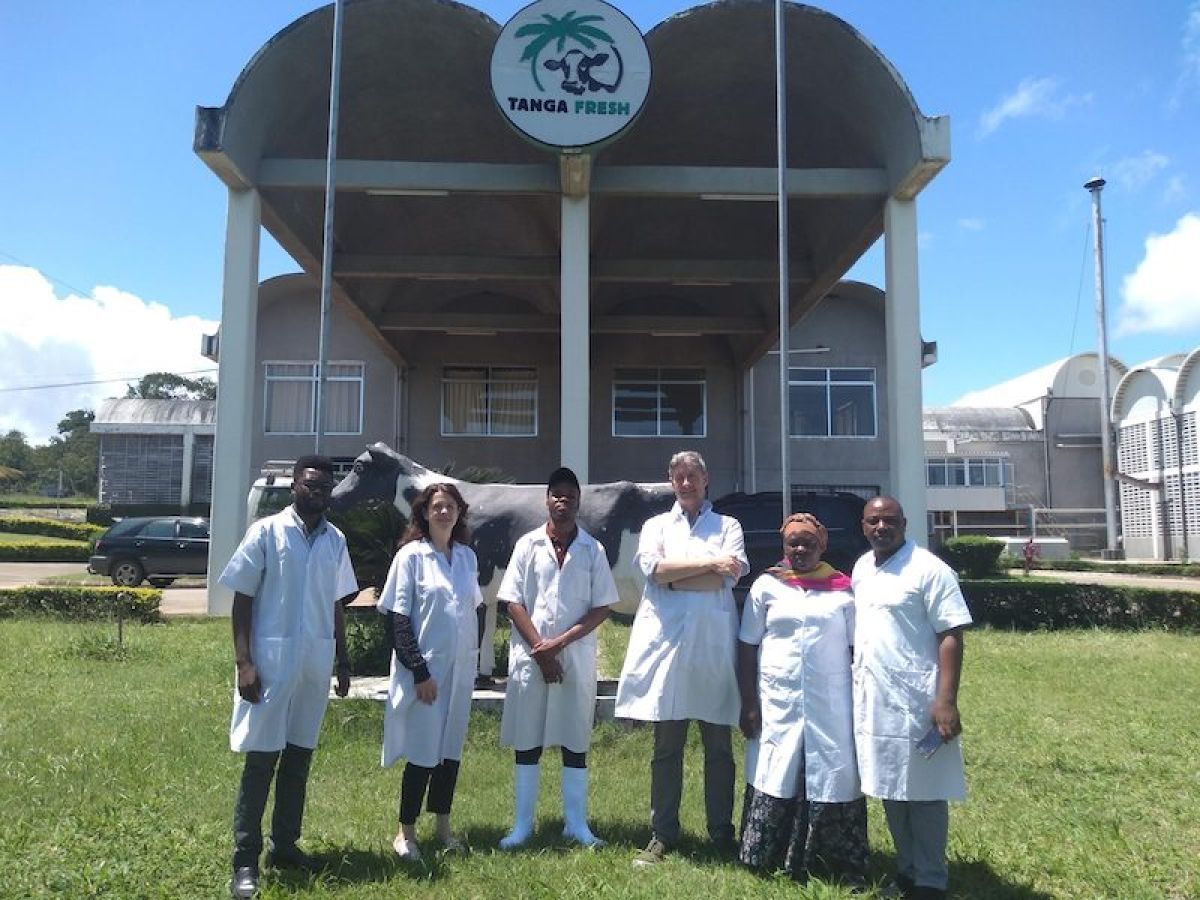
Blog content
By Jovin Lasway
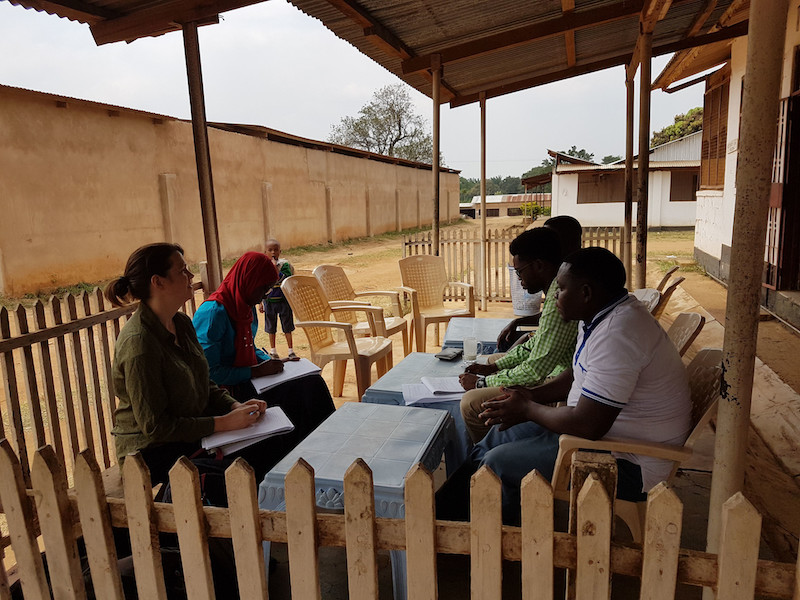
The IIAP project’s research on SME inclusion in the dairy processing industry in Tanzania started in June 2019 with a stakeholder workshop in Dar. This was followed by interviews with key informants and a survey of SME dairy processors. Key informant interviews included officials from the public sector (Ministries, Departments and Agencies-MDAs), Non-Government Organizations (NGOs), private and sector operators including large dairy processing companies.
By the end of June 2020 the research team had conducted 17 in-depth surveys with small firms as well as interviews with Key Informants in the MDAs and actors across the value chain in Dar es Salaam, Morogoro, Mwanza, Simiyu, Mara, Iringa, and Tanga. The respondents shared their experiences on the progress, successes and challenges facing the dairy industry, particularly on promoting SMEs participation in dairy agro-processing value chain.
Role of Dairy Sector in Tanzania’s Economy
The dairy sub-sector contributes around one-third of the 4.6% livestock industry’s contribution to the Gross Domestic Product (GDP) of Tanzania. The dairy processing sector contributes to people’s livelihoods through income from sales of dairy products. However, Tanzania’s per capita consumption of milk is 47 litres per annum compared with 120 litres per annum in Kenya and 54 litres in Uganda.
Total milk production per year is about 1.65 billion litres per year but only one third of the installed capacity of 384,100 litres per day is utilized given that only 105,000 litres of milk per day is processed (URT, 2011). Under capacity utilization is therefore prevalent in dairy processing firms.
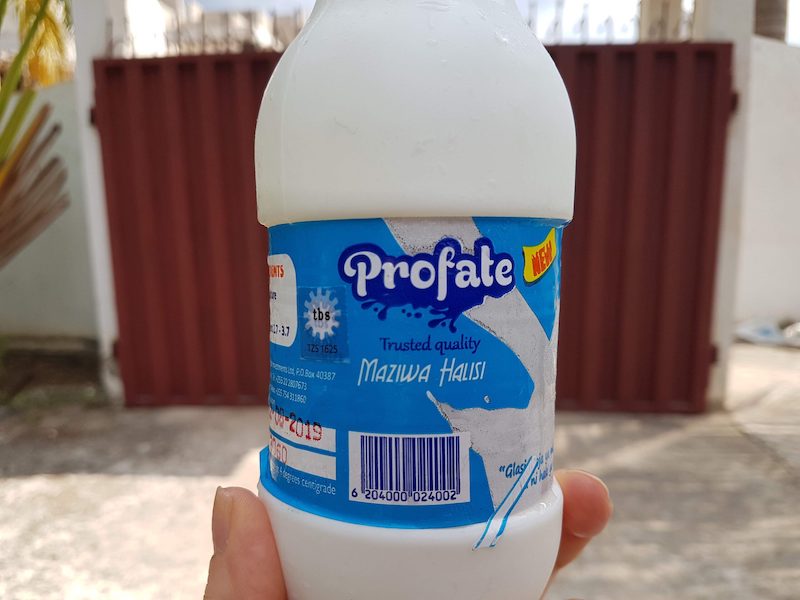
Photo 2- An imported packaging material of Profate Investments Limited (PIL) from Nairobi, Kenya.
Evolution of the Dairy Processing Industry
The dairy industry has undergone changes over time with different types of interventions by government, private sector and with support from development partners. These efforts are best illustrated by the case of Mara region on the eastern side of Lake Victoria, which was regarded as the hub of dairy industry in early 2000s with the involvement of thousands of smallholder farmers and small and medium scale dairy processing facilities.
Interviews with stakeholders revealed a number of possible reasons for the deterioration of the industry in the region. They include: (i) limited availability and uptake of artificial insemination services (AIs) which are vital for improving genetic livestock potential mainly for dairy production; (ii) mismanagement of funds in large dairy processing firms such as MUSOMA Dairy Ltd and Mara Milk which ended up collapsing; and (iii) limited milk collection system and cooling centres at which most of them are currently non-operational.
These challenges were also shared by stakeholders interviewed in the Morogoro and Tanga regions.
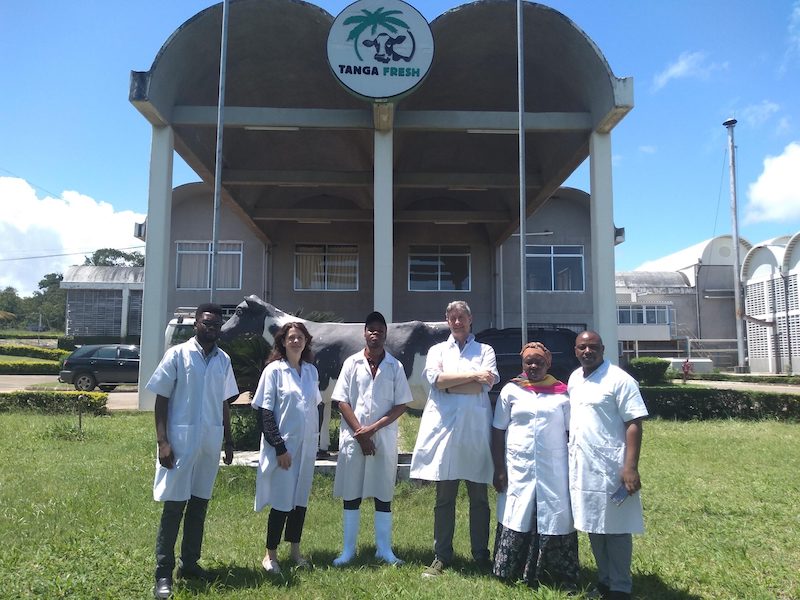
In 2020 IIAP will continue to undertake research on SME inclusion and we will be analysing our findings to address the following areas:
- Enabling Policies: Given the dominance and importance of the SME agro-processors in the dairy industry, the research team will continue to analyse policies and institutional arrangements targeting increased inclusion of SMEs in dairy industrial development at regional and national levels.
- On Packaging Materials: there is need tor further understand (i) the evolution and challenges facing the domestic packaging industry in Tanzania (ii) challenges in producing high quality packaging material.
- On shortage of Animal Health and Veterinary Services: Further understanding of the institutions involved in the innovation system for dairy, in particular, breeding of dairy cows and the provision of Ais.
- On patterns of consumption of dairy products in the country: Further investigation is needed to understand changing patterns in the demand for milk and milk products.
References:
United Republic of Tanzania (URT) (2011) ‘The Tanzania Dairy Industry: Status, Opportunities and Prospects’ Paper Presented to the 7th African Dairy Conference and Exhibition held at Movenpick Palm Hotel, Dar es Salaam, 25 – 27 May 20 11 Ministry of Livestock and Fisheries, United Republic of Tanzania
*This blog post was authored by Dr. Hoseana Lunogelo and Jovin Lasway from the Economic and Social Research Foundation (ESRF) as part of the IIAP project.